Key Takeaways:
- Every Child Grows at Their Own Pace: The average height of a 3-year-old boy is 37-38 inches, but healthy children span a wide range based on genetics and development.
- Context Matters More Than Numbers: Tracking growth over time reveals far more about your child's health than any single measurement ever could.
- Growth Happens Best With Care: Proper nutrition, consistent sleep, and a loving environment create the foundation for healthy development during these formative years.
Does your three-year-old suddenly look taller every time you turn around? One moment, they're struggling to reach the kitchen counter, and the next, they're climbing onto chairs without help. Growth at this age can feel both gradual and surprisingly fast, a beautiful contradiction that makes these years so memorable.
At Headwaters Studio, we've spent years helping families mark these fleeting moments with handcrafted growth charts designed to become lasting heirlooms. We understand that tracking your child's height isn't just about numbers, it's about witnessing the story of childhood unfold, one pencil mark at a time. As a family-run studio rooted in New Hampshire, we've made it our mission to create beautiful ways for parents to measure growing up, using premium materials and thoughtful designs that stand the test of time.
In this piece, we'll explore the average height of a 3-year-old boy, how to interpret growth patterns, what influences toddler development, and when you might want to consult your pediatrician. We'll also share practical guidance on nutrition, sleep, and choosing gear that fits your child's current growth stage.
What Is The Average Height Of A 3 Year Old Boy?
According to pediatric growth standards, the average height of a 3-year-old boy is typically 37-38 inches. This measurement represents the 50th percentile, meaning about half of the boys this age are taller and half are shorter. More precisely, the median height at 36 months is approximately 37.8 inches (96.1 centimeters).
However, "average" is just a reference point, not a goal. Healthy boys at age three can range from about 35 inches to 40 inches, which corresponds to the typical range of about -2 to +2 standard deviations on standardized growth charts. This variation depends on genetics, nutrition, and overall development. Your child's pediatrician uses these ranges to ensure growth remains consistent over time, rather than expecting every child to match an exact number. The most important factor isn't where your child falls on any given day, but whether they're following a consistent growth curve. A child who has always been in the 25th percentile and continues growing steadily is thriving just as much as one in the 75th percentile.

Average Height For A 3½ Year Old Boy: What To Expect
By the time boys reach three and a half, they typically measure 38 to 39 inches tall, with the median height at approximately 42 months, 39.3 inches (99.9 centimeters). This represents continued steady growth from their third birthday, adding roughly an inch every few months during this stage.
How Growth Progresses Through the Year
Growth doesn't happen in perfectly even increments. Some months your child may shoot up noticeably, while other periods seem slower. This is completely normal. Most toddlers grow about 2 to 2.5 inches per year (approximately 5 to 6 centimeters) between their third and fourth birthdays. The timing of these growth spurts varies from child to child.
Why Half-Year Measurements Matter
Checking in at the six-month mark gives you a clearer picture of whether your child is maintaining their growth trajectory. It's less about hitting an exact height and more about observing consistent progress over time. These check-ins also help you notice if growth has unexpectedly slowed or accelerated, which can sometimes signal nutritional needs or other factors worth discussing with your pediatrician.
Individual Variation Is the Rule
Some perfectly healthy boys at 3½ measure 36 inches, while others reach 40 inches. Both can be thriving. What your pediatrician looks for is consistency within your child's own pattern, not conformity to an average.
How To Read Growth Charts For Toddlers The Right Way
Growth charts can feel confusing at first, but they're simply tools for tracking progress over time. Understanding how to interpret them helps you see the bigger picture of your child's development.
What Percentiles Actually Mean
If your child is in the 40th percentile for height, it means 40% of children their age are shorter, and 60% are taller. That's it. Percentiles don't grade your child's health; they describe where they fall in the distribution of all children their age.
Why Consistency Matters More Than Ranking
A child who consistently stays around the 20th percentile is typically developing just fine. What would concern a pediatrician is a child who suddenly drops from the 75th percentile to the 25th in a short time, or vice versa. These shifts can indicate changes worth investigating.
Focus on the Curve, Not the Snapshot
Growth charts work best when you look at multiple measurements over time. One data point tells you almost nothing. Three or four measurements reveal a pattern, a curve that shows whether your child is growing steadily at their own pace.
Don't Compare Your Child to Others
Percentiles compare your child to population data, not to their classmates or cousins. Every family has its own genetic blueprint. If both parents are on the shorter side, it's perfectly expected for their child to follow suit, and that's healthy. If you also have a daughter, a toddler girl growth chart gives her the same dedicated milestone-tracking experience right alongside her brother.

What Factors Influence Average Height For A Toddler?
Height is the result of multiple factors working together, some within your control and others determined before birth. Understanding these influences helps set realistic expectations.
Genetics Play the Leading Role
The single biggest predictor of your child's height is the height of their parents. If both parents are tall, their child will likely be tall. If both are shorter, their child will likely follow. Pediatricians use formulas to estimate adult height based on parental height, though these are only rough estimates.
Nutrition Fuels Growth Potential
While you can't change genetics, you can optimize nutrition. Protein, calcium, vitamin D, and healthy fats all support bone growth and overall development. A balanced diet with fruits, vegetables, whole grains, and adequate protein gives your child the building blocks they need to reach their genetic potential.
Sleep Is When Growth Happens
A substantial portion of daily growth hormone secretion occurs at night and is linked with slow-wave sleep, making consistent, quality rest essential. Toddlers ages 3 to 5 years need 10 to 13 hours of sleep per day, including naps. Children who regularly miss sleep may not grow as robustly as they could.
Health and Environment Matter
Chronic illness, certain medications, or prolonged stress can affect growth. Children who experience food insecurity, lack of access to healthcare, or high levels of adversity may not reach their full growth potential, even with good genetics.
Population Differences in Average Height
Average heights can vary across populations, but in the United States, pediatricians generally use standardized references, such as WHO charts for infants and toddlers and CDC charts for ages 2 and older. They interpret results in the context of family history and overall health.
When Should You Be Concerned About Your Toddler's Height?
Most variations in height are completely normal, but certain patterns warrant a conversation with your pediatrician. Knowing what to watch for helps you advocate for your child without unnecessary worry.
Sudden Changes in Growth Pattern
If your child has been growing steadily and suddenly stops growing for 6 months or more, this warrants attention. Similarly, if they suddenly shoot up much faster than before, it's worth investigating. Consistent, predictable growth is reassuring; abrupt changes are the signal to check in with your doctor.
Falling Off Their Growth Curve
When a child drops two or more percentile lines over a short period, say, going from the 60th percentile to the 20th in less than a year, it may indicate an underlying issue. This could be nutritional, hormonal, or related to an undiagnosed condition.
Signs Beyond Just Height
Growth concerns often come with other symptoms. If your child seems unusually tired, isn't eating well, has frequent illnesses, or shows developmental delays alongside slow growth, these are important clues that something may need attention.
Family History of Growth Disorders
If either parent or close relatives had growth disorders, thyroid issues, or needed growth hormone treatment as children, your pediatrician may monitor your child more closely. Family history can be a helpful predictor.
When to Trust Your Instinct
Sometimes parents simply sense something is off. If you feel concerned about your child's growth, even if measurements seem okay on paper, it's always appropriate to bring it up. Pediatricians would rather address your worries than have you wonder in silence.
What Your Pediatrician Will Check
If there's concern, your doctor may order blood tests to check thyroid function, growth hormone levels, or nutritional deficiencies. They may also review your child's growth history more carefully or refer you to a pediatric endocrinologist for specialized evaluation.
Clothes And Gear That Fit Your Toddler's Growth Stage
As your child grows, their needs change quickly. Choosing clothes and gear that fit well now while accommodating near-future growth makes daily life easier and safer.
Sizing Up Without Overwhelming Them
Buying clothes slightly larger can extend their use, but avoid going too big. Pants that drag on the floor become tripping hazards, and oversized shoes can lead to falls or improper foot development. Aim for a thumb's width of growing room in shoes and clothes that fit comfortably without excess fabric.
Seasonal Considerations
If you're shopping at the end of winter, keep in mind that your child will likely be a size or two bigger by next winter. Buying off-season sales can save money, but err on the generous side for items they won't wear for months.
Adjustable Gear Makes Sense
Look for items with adjustable straps, expandable waistbands, or extendable features. Car seats with multiple height settings, adjustable bikes, and backpacks with customizable straps grow with your child, reducing the need for frequent replacements.
Tracking Growth for Better Planning
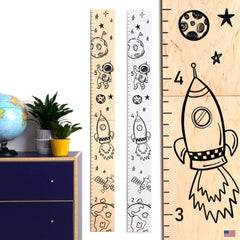
Measuring your child's height regularly helps you anticipate when they'll outgrow certain items. A growth chart hung in their room serves as both a practical tool and a sentimental keepsake. Each pencil mark becomes a visual reminder of how quickly these years pass. A toddler boy growth chart hung in their room serves as both a practical tool and a sentimental keepsake — each pencil mark becomes a visual reminder of how quickly these years pass.
Furniture That Fits the Stage
Step stools, low coat hooks, and child-height shelves encourage independence while matching their current size. As they grow, you can adjust these elements to keep pace with their abilities.
Hand-Me-Downs and Swaps
Growth happens fast at this age, so many families rely on hand-me-downs or clothing swaps with friends. Tracking your child's current size and growth rate helps you know what to accept and what to pass along.

Final Thoughts
The average height of a 3-year-old boy is just a number, a helpful reference point, but never the full story of your child's growth. What matters far more is that your child is healthy, happy, and developing at a pace that's right for them. Whether they're tall, short, or somewhere in between, every inch represents a moment in time you'll want to remember.
At Headwaters Studio, we believe in capturing these fleeting years with intention. Our handcrafted growth charts give families a beautiful, lasting way to document childhood, not just heights, but memories. Made from premium materials and designed to move with you from home to home, each chart becomes a piece of your family's history, preserving the story of growing up in something you can touch and treasure for generations.
Growth happens whether we're ready for it or not. But with the right tools, you can hold onto these moments just a little longer.
Frequently Asked Questions About The Average Height Of 3 Year Old Boys
How much do 3-year-old boys typically grow each year?
Most 3-year-old boys grow about 2 to 2.5 inches per year, or approximately 5 to 6 centimeters. Growth happens gradually and unevenly, with some months showing more progress than others, but the overall annual gain usually falls within this range.
How often should I measure my child's height at home?
Every few months is plenty for home tracking. Measuring too frequently can make small variations seem more significant than they are. Quarterly or twice-yearly measurements give you a clear picture of growth patterns without overthinking minor fluctuations. A growth chart ruler makes it easy to record measurements consistently in one place, turning a simple habit into a meaningful keepsake.
Why do some 3-year-old boys seem taller or shorter than others?
Genetics is the primary reason. Children inherit height potential from their parents, so families with taller members tend to have taller children. Nutrition, sleep quality, and overall health also play supporting roles in whether a child reaches their genetic potential.
What's the best way to accurately measure my child's height?
Have your child stand barefoot against a wall with heels, bottom, and shoulders touching the surface. Use a flat object like a book held level on top of their head, then mark the wall where the bottom of the book meets it. Measure from the floor to the mark with a tape measure or growth chart. A dedicated toddler height chart makes this process easier and turns each measurement into a lasting record you can look back on for years.
Should I be worried if my child is shorter or taller than average?
Not necessarily. As long as your child is growing consistently along their own curve and meeting developmental milestones, being above or below average is usually just a reflection of genetics. Sudden changes in growth pattern are what warrant attention, not being naturally taller or shorter.
When should I talk to my pediatrician about my child's growth?
Reach out if your child's growth suddenly slows or stops for 6 months or more, if they drop significantly in their growth percentile, or if you notice other concerning symptoms such as fatigue, poor appetite, or developmental delays. Trust your instincts; if something feels off, it's always okay to ask.