Key Takeaways:
- Turn It Into A Family Tradition: Transform measuring your child's height into a cherished family tradition with the right tools and methods.
- Create A Measuring Station: Create a dedicated measuring station and choose the best time of day for accurate and joyful height recordings.
- Involve Children In The Process: Engage your child in the process to make it a celebratory and stress-free activity, preserving precious family memories.
There is something delightfully bittersweet about watching the inches add up on your child’s growth chart. One day, it’s chubby toes peeking curiously above the first mark. The next, it’s a seven-year-old beaming with pride, asking if you noticed how much taller they are than last year.
At Headwaters Studio, we know that tracking children’s height means more than statistics; it means collecting a series of moments you’ll treasure for decades. Our wooden growth charts have turned the simple act of height measurement into a joyful tradition, celebrated in nurseries and living rooms across America.
In this article, we’ll go over how a growth chart is a welcoming tool for height measurement with love, accuracy, and a touch of artistry, and how to properly measure to document special milestones.
Choosing The Right Tools For Measuring A Child’s Height
When measuring your child’s height, the most important tool you’ll need is a sturdy measuring device. While many people reach for the nearest tape measure or ruler, choosing something designed specifically for children can create a smoother and more meaningful experience.
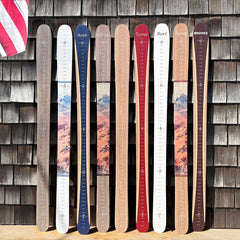
Wooden Growth Charts
Wooden growth charts, for example, are not only accurate for height measurement at home but also provide a visually pleasing way to record every inch gained year after year. Look for materials that won’t warp or fade, and opt for non-toxic finishes safe for little explorers. Some parents use standard yardsticks, but these can be challenging to align correctly, leading to less precise child height measurements. Ruler growth charts are definitely more practical and straightforward to use.
A Pencil
A level and a soft pencil make the process easier. A level ensures your chart or tape is aligned perfectly for every measurement, preventing accidental tilts that could shortchange those precious centimeters. Marking height lightly with a pencil gives you a consistent, erasable record until you’re ready for something more permanent.
The Right Spot To Measure
Lastly, a high-traffic area where your family naturally gathers can help your child’s check-ins become an anticipated family event. Whether it’s the doorway to a nursery or the end of a kitchen wall, the right spot, paired with the right tools, lets the height of your child become a cherished chapter in your family’s story.

Setting Up A Home Measuring Station
Creating a dedicated home measuring station can transform the ritual of tracking your child’s growth into a cherished family tradition. Not only does it make height measurement at home simple and reliable, but it also adds an element of celebration to everyday life.
Start by choosing a well-lit, flat wall in your home, free from baseboards or uneven surfaces, to ensure the most accurate child height measurements. Mark a specific spot for your child to stand, ideally with their back flat against the wall and heels touching it. Use a sturdy step stool if you need to reach higher on the wall, especially as your child grows.
Measure at a consistent time of day, such as first thing in the morning when the body is naturally elongated. Keep a supply of tools handy: a carpenter’s level to guarantee a straight line, a ruler or tape measure for precision, and a pencil or erasable marker for temporary notes.
Get the whole family involved by letting siblings or grandparents take turns marking the height of the child during each measurement session. Celebrate the moment by jotting down the date and, perhaps, a little note about the day’s milestone.
Best Time Of Day To Measure Children’s Height
The best time for height measurement is typically right after your child wakes up. Overnight, when children lie down to rest, gravity eases up on their spines and joints. This allows the spine to decompress just a bit, so the height of a child will be at its natural, tallest measurement.
As the day goes on, regular activities like running, jumping, and even just standing gradually compress the spine again. By bedtime, your child’s height measurements could be up to half an inch shorter than in the morning. To keep your height records as accurate and consistent as possible, it’s best to measure at the same time each day, choosing either morning or early afternoon.
Choosing a calm, post-breakfast window when your child is happy, rested, and fed. Making height measurement a family ritual during this time can even turn it into a warm, celebratory moment to look forward to throughout each growing year.

Preparing Your Child For A Stress-Free Measurement
The secret to accurate child height measurements often lies in the moments before you even pick up the measuring tape. A little preparation sets the stage for both reliable results and a heartwarming memory.
- Pick An Appropriate Time: First, pick a time when your child is relaxed and content, such as after a nap or a fun meal. Hungry or overtired kids rarely want to stand still, and the right mood can make height measurement feel special instead of stressful.
- Create Excitement And Involve Them In The Process: Explain that you’re going to see how much they’ve grown, turning the experience into a celebration rather than a chore. You could even offer to let them choose a favorite toy to hold or pick a fun sticker for each new milestone on your family’s growth chart. When your child feels involved and special, the act of capturing the height of a child turns from work into a cherished ritual.
- Keep It Playful: Sing a silly song, share a giggle, or create a little ceremony around marking the height of your child. This not only helps your child hold still, but it also lays the groundwork for a treasured family tradition of marking each season of growth.

Step-by-Step Guide To Wall-Mounted Measurements
Here’s how to get accurate height measurements of your child using a wall-mounted growth chart or any smooth wall surface:
- Choose the Perfect Spot: Pick a flat, uncarpeted section of wall with good lighting. Make sure your measuring area is clear of baseboards, trim, or wall hangings that could distort the measurement or distract your little one. The best spot is one you can return to year after year for consistent tracking.
- Gather What You’ll Need: All you need is a hardcover book or a carpenter’s square, a pencil, and a measuring tape or wooden growth chart. Keep the mood light—maybe play your child’s favorite song or make it a monthly ritual to turn these height checks into cherished memories.
- Prep Your Child: Have your child remove shoes, thick socks, or any big hair accessories. Ask them to stand tall, with their back straight, heels together, and feet flat against the wall. Encourage them to look straight ahead and relax their shoulders for the most accurate child height measurements using growth charts for boys and growth charts for girls.
- Marking the Height: Place the book or square flat against the top of your child’s head, keeping it perpendicular to the wall. Gently lower the book so it rests on their head, and make a small, light pencil mark on the wall right where the book meets the wall. This mark will be the reference point for the height of the child at this moment.
- Measure and Record: Use the measuring tape or wall ruler to measure from your floor to the pencil mark. Note the measurement down to the nearest quarter inch. Make a tradition of recording the date, your child’s age, and a quick note about what made this measurement day special.
- Celebrate and Involve Your Child: Invite your child to help with measuring, marking, or decorating around their height milestone. This turns the act of height measurement into a collaborative celebration rather than a routine chore. Watching the height numbers ticking upwards becomes a visual timeline of family life and love.
Using A Door Frame For Quick Child Height Measurements
Here’s the unfussy answer for how to use a door frame to estimate child height measurements. The process is simple, but the memories linger, each line a small celebration reflecting your child’s growth.
Step #1: Have Your Child Remove Their Shoes
To start, have your child remove shoes and stand flat against the door frame. Make sure their heels, back, and head are lightly touching the surface. Encourage them to look straight ahead and stand tall, just like a proud superhero.
Step #2: Use A Flat Object To Mark A Spot
With a flat object like a hardcover book or ruler, gently rest it on top of your child’s head, forming a straight line to the door frame. Mark the spot lightly with a pencil. Step back and write the date and your child’s name next to the mark.
Step #3: Watch A Visual Story Unfold
Over time, these little milestones become a visual story, showcasing every growth spurt and subtle change. The height of your child documented on that door frame preserves the wonder of each stage, making height measurements more than just a number.
Final Thoughts
Height measurement of a child goes far beyond simple numbers; each mark and each date has a story attached, celebrating birthdays, first days of school, and countless little victories in between. As parents, grandparents, or anyone who cherishes those unforgettable moments, tracking your child’s height helps you see just how quickly they’re growing, right before your eyes.
At Headwaters Studio, we understand that capturing each child's height measurement is about more than data. Our handcrafted wooden growth charts transform the routine act of measuring the height of your child, and with customizable stain colors, font styles, and names, you can make every chart uniquely yours.
Cherish these milestones. Share the stories behind every line. Preserve your family's journey, one inch at a time.
Read also:
- How To Design A Kid’s Room That’s Stylish, Fun, And Easy To Update
- What’s The Average Height For A 5 Year Old Boy? Guide For Parents
- How To Create A Rustic Ski Lodge Look That Even The Kids Will Love
Frequently Asked Questions About Measuring Your Child’s Height At Home
What tools do I need to measure my child’s height at home?
Taking a child’s measurements at home doesn’t require fancy equipment. All you need is a sturdy ruler or tape measure, a flat wall, a pencil to lightly mark the wall, and a book or a set square to rest on top of your child’s head. Many families prefer using a dedicated wooden growth chart, like the customizable ones from Headwaters Studio, to make each child's height measurement both accurate and meaningful.
Should my child wear shoes during measurement?
For the most accurate results, your child should be barefoot or wear only thin socks. Shoes, slippers, and even thick socks can add extra height, giving you measurements that are slightly off. Keeping it simple ensures the height you record will always be precise and reliable.
What surface is best for measuring height?
A firm, flat surface is key when measuring a child’s height. Avoid measuring on carpet or uneven floors, which can affect accuracy. Position your child with their back against a bare wall, making sure the baseboard doesn’t protrude. Wooden growth charts from Headwaters Studio can attach flat to most wall types, helping ensure consistent and repeatable measurements.
How old should my child be before I start tracking height?
You can begin tracking your child's height from birth. Many families start marking growth milestones once children can stand unaided, turning every inch into a little celebration. Growth charts from Headwaters Studio are ideal for tracking progress from those toddler first steps through teen years and beyond.
How frequently should I measure my child’s height?
There’s no strict rule, but many families enjoy marking the height milestones at birthdays, the first and last weeks of school, or whenever grandparents visit. Some choose to check every three or six months. Celebrate each growth spurt together, and watch as your personalized chart fills with cherished memories.
How do I ensure my child stands straight for accurate measurement?
Ask your child to stand with their back against the wall, heels touching the baseboard, legs straight, arms at their sides, and looking forward. Their shoulders, buttocks, and head should lightly touch the wall. Place a book or square on their head, ensuring it’s parallel to the floor, and mark where it meets the wall or your wooden growth chart. Headwaters Studio’s growth charts can make height checks fun, engaging, and festive.