Key Takeaways:
- Tracking Growth Early: Starting growth tracking early not only captures physical changes but also becomes a gallery of memories, with each mark on a growth chart serving as a time capsule of precious moments.
- Development Over Time: Growth percentiles provide a reference for tracking a child’s development over time, marking the transition to more personalized growth tracking at home.
- Making Measurement A Ritual: The beauty of home height tracking is its flexibility, with families beginning the tradition around early toddlerhood, turning measurement into a ritual that reflects family joy and creativity.
In the chaos of busy family days, milestones often slip by before we realize just how much everyone’s changed. That’s where personalized keepsakes like growth charts come in.
At Headwaters Studio, we believe every family story deserves to be recorded and celebrated, one cherished inch at a time. Whether you’re a parent marking your baby’s first tottering steps, a grandparent looking for the perfect gift, or simply someone captivated by the idea of creating a tangible history within your home, growth charts have a unique way of combining function, art, and nostalgia.
In this article, we’ll explore together the best time to start this heartwarming tradition and how the simple act of marking height on a beautifully crafted chart can become a touchstone for family memories for years to come.
Why Early Growth Tracking Matters
Every parent knows how quickly children grow, with each new milestone a reminder of how swiftly time passes. Starting growth tracking early offers more than a record of inches and years, and it creates a gallery of memories only a family can understand. Babies begin changing rapidly from the very first months. Those first precious marks on a growth chart become tiny time capsules, capturing babyhood in ways a camera can't.
Early tracking helps parents spot growth patterns and celebrate every small victory, like the first time their child stands tall next to the family’s growth charts. Whether you’re choosing growth charts for boys or growth charts for girls, recording these early stages highlights unique growth spurts and family stories. Each mark is a conversation starter, a piece of your child’s journey, and a gentle reminder of the fleeting nature of childhood. These charts become more than a simple tool; they’re a timeline of laughter, proud moments, and personal history woven into your home.

When Home Height Tracking Typically Begins
For many families, the tradition of recording a child’s growth at home starts as early as that first wobbly step or milestone first birthday. Typically, parents begin using growth charts when their little ones are toddlers, somewhere between ages one and two, right after those regular well-baby visits are replaced with annual checkups.
This is an age when the rapid transformations of babyhood begin to steady, making it a perfect time to start capturing each quarter-inch gained. Many families enjoy making this ritual part of birthdays or the first day of school, celebrating another year of adventure and growth. The beauty of tracking height at home is that there’s no strict rule. Some start the tradition with their child’s first steps, while others begin when preschool approaches. Any moment can become the right time to start creating a visual story of childhood, year by year.
Stylish Ruler Growth Charts For The Nursery
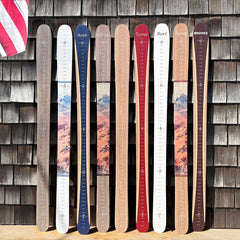
Ruler growth charts blend seamlessly into this nurturing environment, offering both a practical tool and a beautiful accent for the room.
Artistry And Performance
Unlike the fleeting markings on a doorframe, these charts bring a sense of permanence and artistry. Made from sturdy wood and featuring gentle, stylish designs, these charts become part of your family’s story. Their tall, classic shape captures every leap and spurt, whether you're marking the first steps or the growth spurts that come all too quickly. They play well with any theme, such as whimsical animals for boys to delicate florals for girls.
Personal Touches For The Win
Personal touches are what turn a nursery into a cherished space. With so many designs and custom options available, you can pick a look that reflects your child’s personality or the special bond you share. Besides recording inches, these charts carry memories. Each line isn’t just a measurement; it’s a moment you’ll want to remember as your child grows.

Moving From Infant Percentiles To BMI In Childhood
The earliest days of your child’s growth are measured in tiny increments. The curve of a baby's growth is mapped against percentiles: small lines on the chart that show where your baby falls compared to millions of others.
What BMI Captures
Around the age of two, there is a gentle, almost unnoticed shift. This is when BMI, or Body Mass Index, gradually takes the spotlight as the primary tool for tracking growth. BMI considers both height and weight, offering a clearer picture of overall health as kids grow taller and gain independence.
Tracing Patterns
During this phase, growth charts each trace a unique pattern. These charts still serve as a comforting reference, letting you see trends and small changes over time. Those gentle curves become threads in the tapestry of family memories, marking not just physical milestones but the stories and laughter that come with each inch and every pound.

How To Make Monthly Measurements A Family Celebration
There's something truly special about pausing once a month to mark your child's growth. In the bustle of daily routines, creating a ritual around monthly measurement transforms a simple task into a cherished event. Here’s how to create the ritual for yourself:
Step #1: Gather Everyone Together
Gather everyone in the family, from siblings to grandparents, and turn it into a little celebration. Maybe you let your child pick their favorite song to play, or you share a treat after jotting down their new height.
Step #2: Make It Personalized
Whether you use stickers, colored pens, or simply your own handwriting, every measurement becomes a small reminder of the joy found in watching your children flourish.
Step #3: Reflecting On The Journey
It’s not just about tracking inches and centimeters; it’s about honoring the journey your child is making. Over time, those tick marks on your growth charts become a tapestry of shared memories. For parents selecting the right growth chart, each monthly tradition can reflect your child’s unique personality.
Avoiding Common Charting Mistakes
Using a growth chart is all about capturing your child’s journey and celebrating their milestones, but it's easy to run into small snags that can add frustration to what should be a joyful ritual.
Measuring At Inconsistent Intervals
One of the most common mistakes is measuring at inconsistent intervals. Try to make it a habit, perhaps every birthday or on the first day of school, to keep the record neat and meaningful. Sporadic markings can make it hard to see your child’s progress over time.
Incorrect Measurements
Another area to watch is marking your child’s height incorrectly. Kids bounce, squirm, and stand on their tiptoes, which lets excitement take over. Make sure your child stands straight against the wall or chart, both heels touching the bottom. Double-check the measurement at eye level, and use a ruler to get an accurate line.
Using The Wrong Tools
Using the wrong writing tool can also lead to regret down the road. Permanent markers are incredibly reliable for growth charts, ensuring that special memories never fade away, while pencil markings can smudge or disappear over the years. When keeping up with your growth chart, consider using different colors for each child if they share a chart. That simple choice can help you keep everyone's milestones clear and organized.
Hanging The Chart At The Wrong Height
Lastly, avoid hanging your growth chart too low or too high. The starting height should be precisely measured from the floor. Take a moment with a tape measure before mounting to guarantee years of consistent tracking. Each of these steps helps transform a simple measuring ritual into a treasured family tradition.
Final Thoughts
Choosing what age to start using a growth chart isn’t about hard and fast rules. Every family’s journey is unique, just like every child. From those tentative first steps to the years when they seem to shoot up overnight, recording growth is a way of celebrating moments you’ll never want to forget.
At Headwaters Studio, our ruler growth charts are crafted to become lifelong keepsakes, designed to last for generations. Whether given as a heartfelt gift or chosen for your own family, our personalized, handcrafted growth charts help transform ordinary days into lasting memories. Whatever age you choose to begin, begin with love and intention. You make the memories. We help you record them. And as your child grows, so does the legacy you create together.
Read Also:
- How To Design A Kid’s Room That’s Stylish, Fun, And Easy To Update
- What’s The Average Height For A 3 Year Old Girl? Guide For Parents
- Tracking Growth: What's The Average Height For A 12-Year-Old?
Frequently Asked Questions About Our Growth Charts
What is a growth chart?
A growth chart is a visual tool used to track your child’s height over the years. Typically crafted from durable materials like wood or sturdy paper, a growth chart lets you mark important milestones as your child grows. At Headwaters Studio, our personalized growth charts double as a keepsake and a heartfelt piece of home décor, reminding you of all the precious moments you record along the way.
At what age should you start using a growth chart?
You can start using a growth chart as early as when your baby begins to stand—usually around 9 to 12 months. This is an exciting milestone to capture, and using a growth chart from the start helps you record those incredible early growth spurts. Many families enjoy starting early so they can watch their little one’s first marks and add memories as their child grows.
Why are growth charts important for children?
Growth charts are important because they capture your child’s development, allowing you to celebrate milestones big and small. They help you notice patterns or changes in your child’s growth and can even serve as meaningful, personalized décor in your home. For children, seeing their own progress on a growth chart builds confidence and makes growing up a memorable adventure.
Can growth charts be used for newborns?
While most growth charts are designed to be used once your child can stand, you can certainly keep notes or record newborn heights in a baby book or family diary until they are ready for their first growth chart mark. Once your little one reaches that first standing milestone, you can start marking their height and reliving those early memories each time you walk past.
How often should a baby's growth be charted?
Every family’s tradition is a little different, but many parents choose to chart their baby's growth every few months during the first year, then once or twice a year as their child gets older. The most important thing is to mark the moments that matter most to you, whether it’s a birthday, the first day of school, or a random family Saturday spent together.
What information is needed for a growth chart?
To use a growth chart, you’ll need your child’s height and the date the measurement was taken. Some families also like to add names, ages, or special notes alongside each mark. With Headwaters Studio’s customizable growth charts, you can include as many personal touches as you like, making each mark even more meaningful as the years go by.